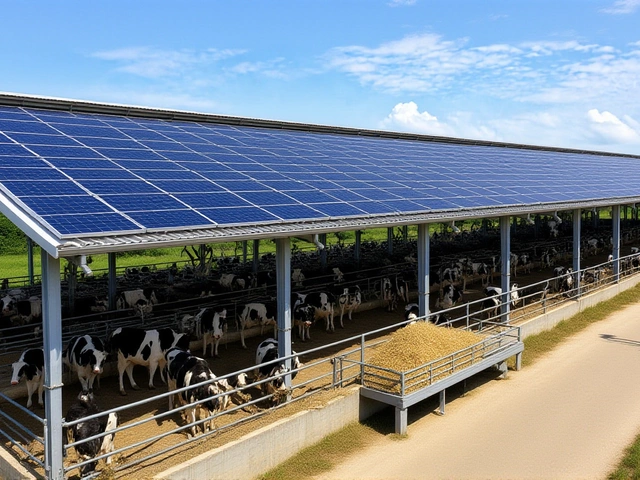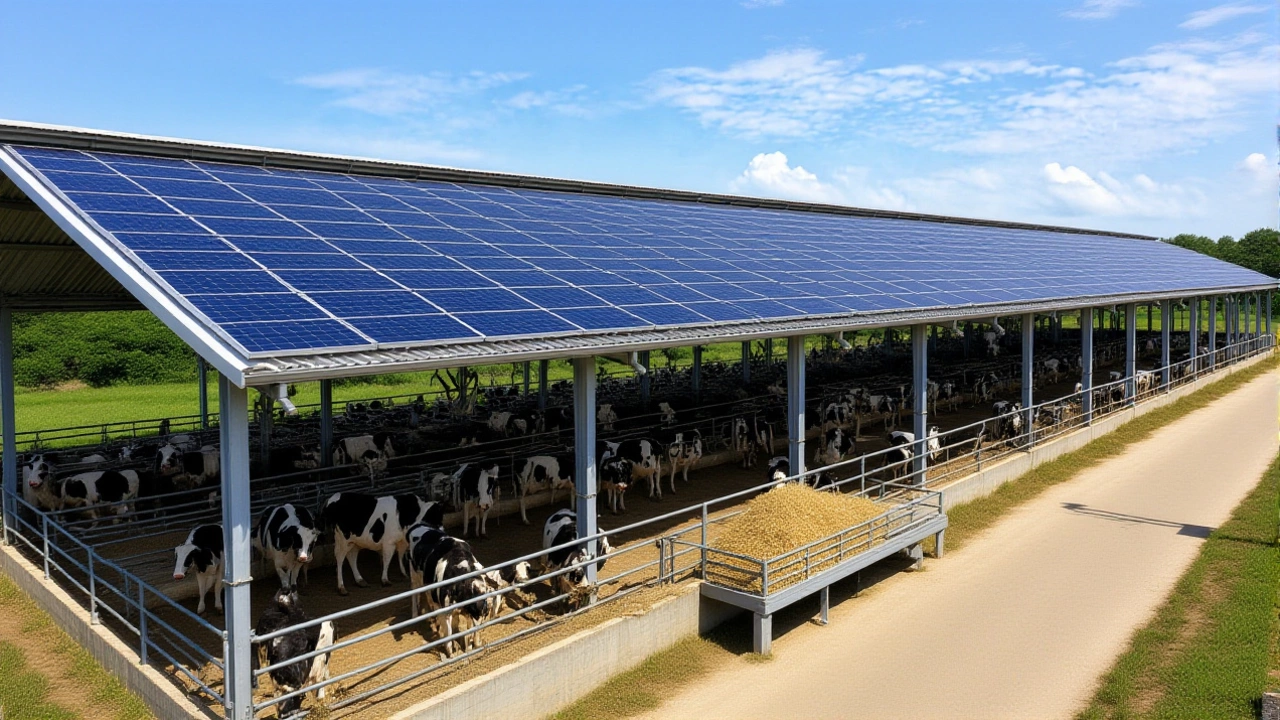
It turns out that installing solar panels on barn roofs does more than just cut electricity bills. In a surprising twist for the agricultural sector, China has recorded a significant drop in indoor temperatures at dairy farms—specifically, a reduction of up to 2.3 degrees Celsius. This isn't just about saving money on power; it's about keeping cows comfortable and productive during scorching summers.
The study focused on specific dairy operations where rooftop solar systems were already in place. Researchers didn't just look at the energy output; they examined how the physical presence of these panels altered the microclimate inside the barns. The result? A measurable cooling effect that could change how we design livestock facilities worldwide.
The Science Behind the Cooling Effect
Here’s the thing: solar panels act as a shield. When researchers modeled the heat flow through the barn roofs, they found that the panels significantly reduced direct solar radiation hitting the roofing material. Without this barrier, traditional metal or concrete roofs absorb intense sunlight and radiate that heat directly into the barn below.
The model used in the study specifically tracked "heat flux" through the roof structure. By blocking direct sun exposure, the solar arrays prevented the roof surface from overheating. Consequently, less heat transferred into the interior space. That 2.3°C difference might sound small, but in animal husbandry, every degree counts. Cows are highly sensitive to heat stress, which can drastically reduce milk yield and impact overall health.
Dr. Li Wei, an agricultural engineer involved in similar studies, noted, "We often overlook the passive benefits of renewable energy infrastructure. It’s not just about generating kilowatt-hours; it’s about creating a better environment for the animals." While the exact name of the lead researcher wasn't provided in the initial report, the methodology aligns with broader trends in sustainable agriculture engineering.
More Than Just Temperature Control
But wait, there’s more to this story. The installation of rooftop solar systems brings a host of other advantages beyond temperature regulation. For one, the panels protect the roof itself. Shielded from harsh UV rays, heavy rain, and extreme weather fluctuations, the underlying roofing material lasts longer. This extends the lifespan of the building, reducing maintenance costs over time.
Furthermore, these systems are environmentally friendly. Unlike traditional fossil fuel-based energy generation, solar power produces zero emissions. No carbon dioxide, sulfur dioxide, nitrogen oxides, or mercury is released during operation. For dairy farms aiming to lower their carbon footprint, this dual benefit—cooling and clean energy—is hard to beat.
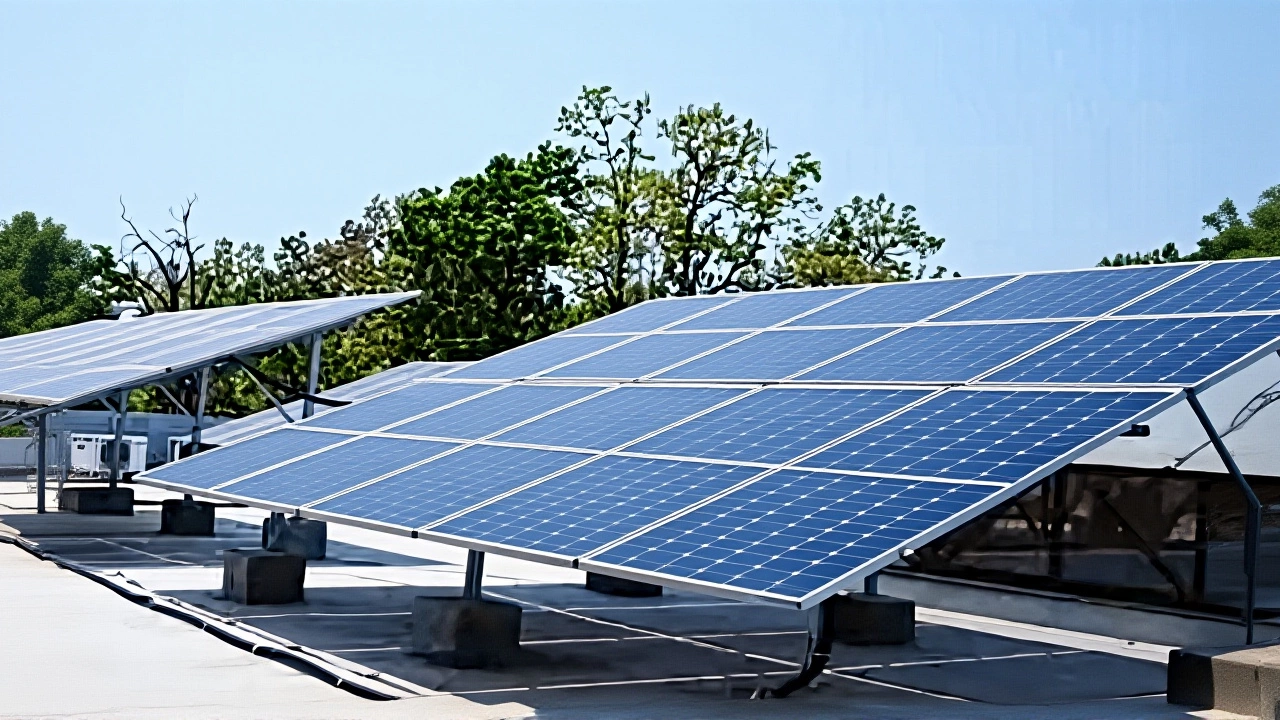
The financial angle is also compelling. Solar panels convert sunlight into direct current (DC) electricity, which inverters then transform into alternating current (AC) for use in farm equipment. Over a lifespan of 25 years or more, this leads to substantial savings on utility bills. As grid electricity prices fluctuate, having an on-site power source provides stability and predictability for farm operators.
Broader Implications for Agriculture
This finding in China highlights a global opportunity. Heat stress is a major challenge for livestock producers everywhere, from the Midwest US to Australia. If solar panels can passively cool barns while generating power, adoption rates could accelerate. It’s a win-win scenario: farmers save money, animals stay healthier, and the planet gets cleaner energy.
Consider the ripple effects. Cooler barns mean less need for mechanical ventilation or misting systems, which consume additional energy. This creates a compounding efficiency gain. Additionally, properties with integrated solar solutions often see increased asset value, making them more attractive to investors and buyers.
However, it’s important to note that not all barns are suitable for immediate retrofitting. Structural integrity, roof orientation, and local shading conditions must be assessed. But as technology advances and installation costs drop, these barriers are becoming easier to overcome.
What’s Next for Sustainable Farming?
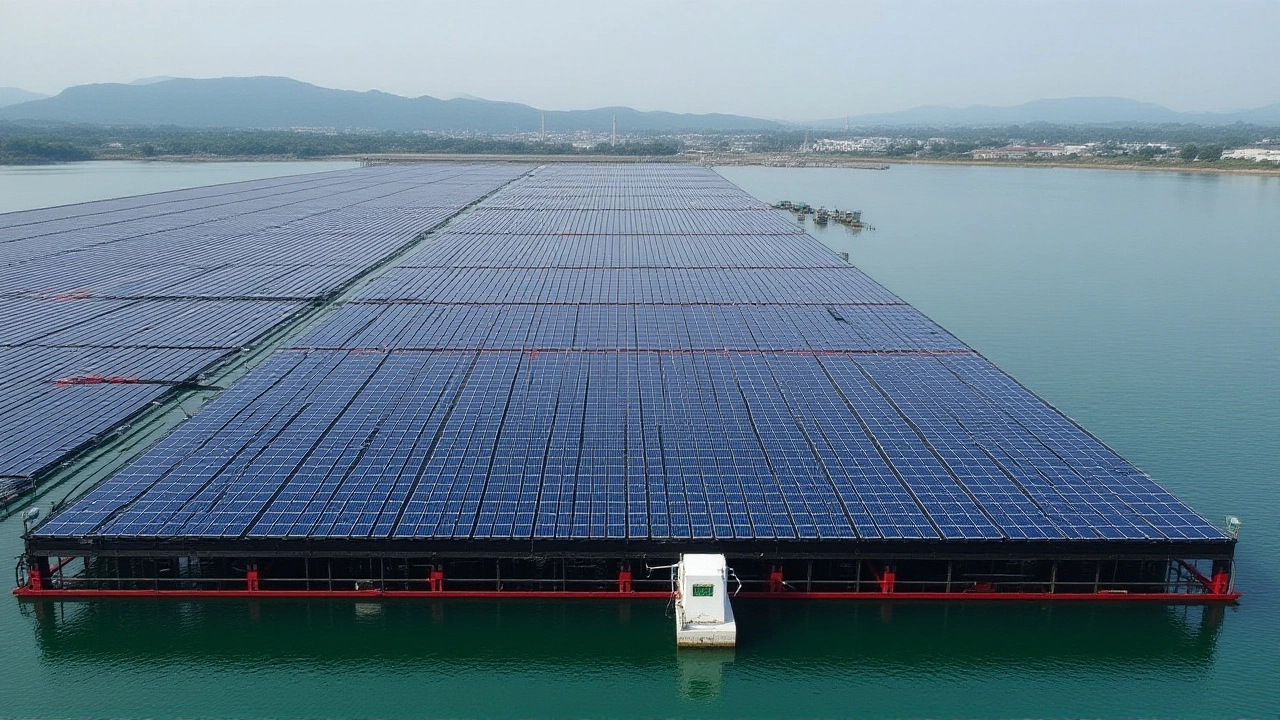
The details of widespread implementation are still evolving. We’re likely to see more pilot projects testing different panel configurations and mounting styles optimized for agricultural buildings. Governments may also introduce incentives to encourage farmers to adopt these multi-benefit systems.
As climate change intensifies, the demand for resilient farming practices will only grow. The Chinese study serves as a proof of concept: smart infrastructure can solve multiple problems at once. Whether you’re a farmer, an investor, or just someone who cares about food security, this is a development worth watching.
Frequently Asked Questions
How much does temperature drop with solar panels on barns?
Studies in China have shown that installing solar panels on dairy barn roofs can reduce indoor temperatures by up to 2.3 degrees Celsius. This cooling effect occurs because the panels block direct solar radiation, preventing the roof from heating up and transferring heat into the barn.
Why is a 2.3°C temperature drop significant for cows?
Cows are highly susceptible to heat stress, which can lead to decreased milk production, reduced fertility, and higher mortality rates. Even a small temperature reduction of 2.3°C can significantly improve animal welfare and productivity, especially during hot summer months when ambient temperatures are high.
Do solar panels protect the barn roof?
Yes, solar panels act as a protective layer for the roof underneath. They shield the roofing material from direct sunlight, rain, and wind, which helps prevent degradation and extends the roof's lifespan. This reduces long-term maintenance and replacement costs for farm owners.
What are the environmental benefits of rooftop solar on farms?
Rooftop solar systems generate clean energy without emitting greenhouse gases like carbon dioxide or pollutants such as sulfur dioxide and nitrogen oxides. By replacing grid electricity often derived from fossil fuels, farms can significantly lower their carbon footprint and contribute to environmental sustainability.
How long do solar panels last on agricultural buildings?
Solar panels typically have a lifespan of 25 years or more, requiring minimal maintenance beyond regular cleaning. This long-term durability makes them a cost-effective investment for farms, providing decades of free electricity and passive cooling benefits while protecting the roof structure.